Parfum Versus Cologne: Which Lasts Longer?
A scent can arrive before you do and stay in the memory long after you leave. That is why the question of parfum versus cologne is more than a label on a bottle. It shapes how a fragrance wears on your skin, how far it travels, and whether it has the lasting presence you want from a signature scent.
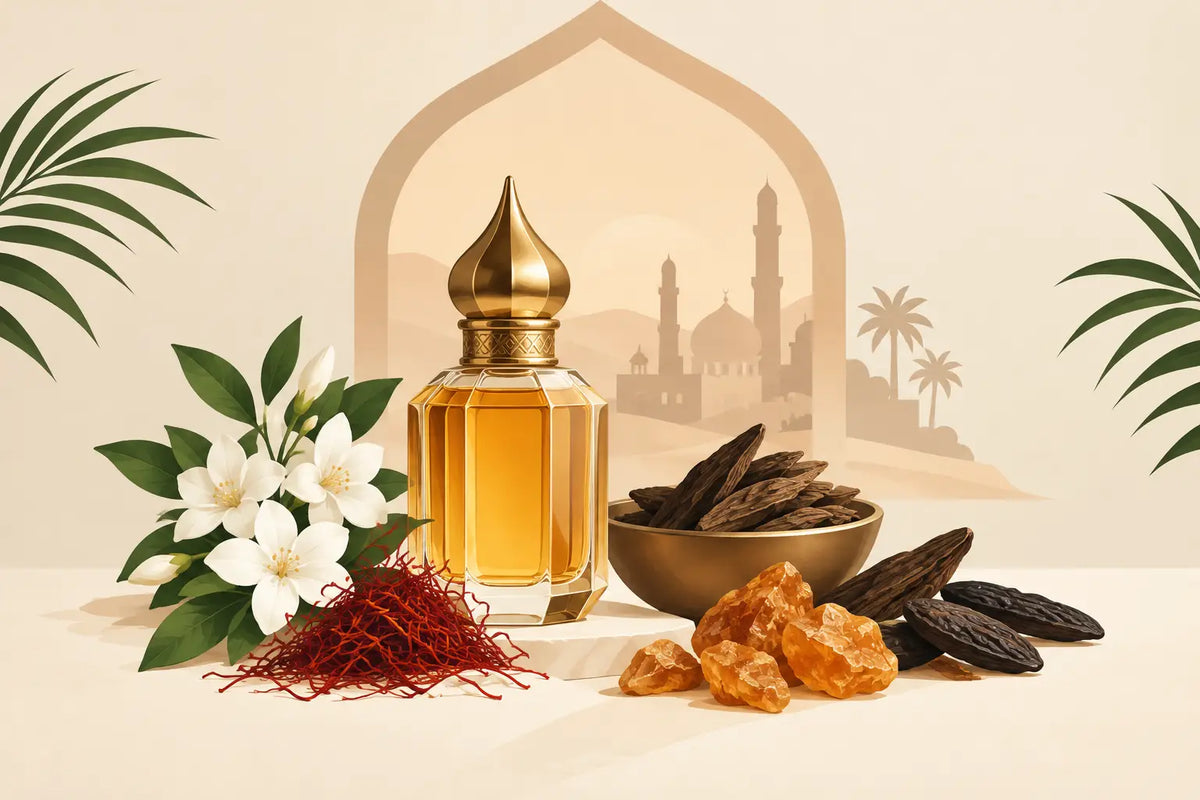
For someone drawn to oud, amber, warm spices, rose, musk, or creamy vanilla, performance matters. Arabian-inspired fragrances are often chosen for their richness and character, but the concentration behind the scent still influences your experience. Understanding the difference helps you choose confidently, whether you want an intimate everyday fragrance or a bold scent for a night that deserves attention.
Parfum Versus Cologne: The Real Difference
The main difference is fragrance oil concentration. Every fragrance is a blend of aromatic oils, alcohol, and sometimes water. A higher concentration generally means more fragrance oil and less alcohol, which can create a fuller scent experience and longer wear.
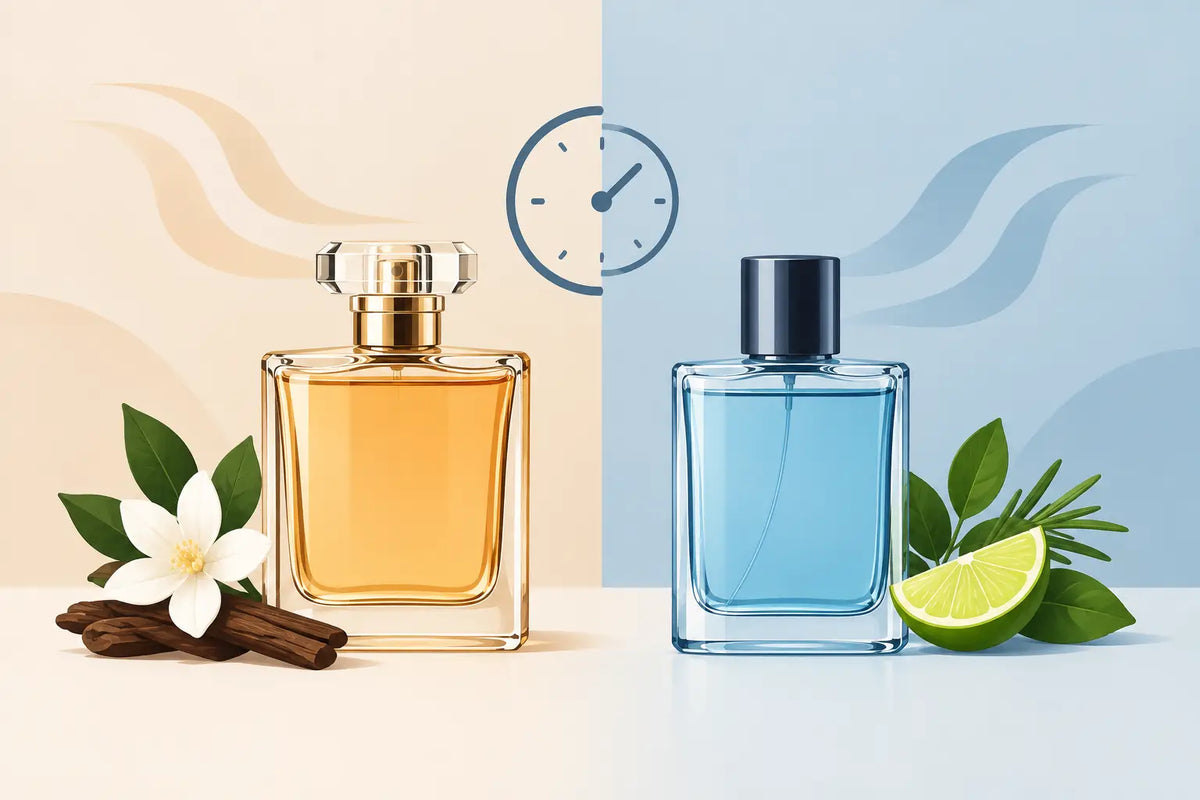
Parfum, also called extrait de parfum, usually has the highest concentration. It often ranges from roughly 20% to 40% fragrance oil, though formulas vary by brand. Parfum tends to feel smooth, deep, and close to the skin after it settles. It is designed for lingering elegance rather than a sharp first impression alone.
Cologne, traditionally called eau de cologne, usually contains a lower concentration, often around 2% to 5%. It is lighter, fresher, and commonly associated with citrus, herbs, and clean aromatic notes. A cologne can be perfect when you want a quick lift before work, after a shower, or on a warm afternoon, but it generally needs more frequent reapplication.
One detail causes plenty of confusion: many people use “cologne” as a general word for men’s fragrance. On a product label, however, eau de cologne refers to a specific concentration. A scent marketed to men may actually be an eau de parfum, parfum, or eau de toilette. Always look beyond the casual name and check the fragrance type when longevity is your priority.
Where Eau de Parfum Fits In
For many fragrance lovers, eau de parfum is the sweet spot between intensity and everyday wearability. It commonly contains about 15% to 20% fragrance oil and often lasts six to eight hours, depending on the formula, skin type, weather, and application.
This concentration gives notes like saffron, oud, sandalwood, incense, amber, and vanilla enough room to unfold. The opening may be bright with bergamot, apple, or spice, then gradually reveal a warmer, more seductive base. That evolution is part of the appeal. A well-made eau de parfum does not simply smell strong. It tells a story on the skin.
Eau de toilette sits between cologne and eau de parfum in concentration. It is usually crisp, versatile, and easier to wear generously. If you prefer fresh woods, clean musk, citrus, or soft florals, an eau de toilette can feel polished without becoming overwhelming. Still, it may not have the all-day depth of a parfum or eau de parfum.
Longevity Is Not Just About Concentration
Higher concentration usually lasts longer, but it is not a guarantee. The notes in a fragrance make a major difference. Citrus, watery accords, and airy green notes often fade sooner. Oud, amber, resin, musk, patchouli, tonka bean, and woods are naturally more persistent, especially when blended into a rich base.
Your skin also changes the result. Dry skin can absorb fragrance more quickly, while moisturized skin often holds scent longer. Body chemistry can brighten a floral note on one person and deepen it into something sweeter on another. This is why the same bottle can feel completely different from person to person.
Weather matters too. Heat amplifies fragrance and can make a powerful parfum project more than expected. Cooler air softens a scent’s reach but can make warm notes feel especially inviting. A smoky oud or amber fragrance may feel magnetic in fall and winter, while a sparkling citrus-rose blend can shine in spring or summer.
Projection is separate from longevity. Projection describes how far a fragrance radiates from you. Longevity describes how long it remains noticeable. A parfum may last for hours while sitting close to the skin. A lighter cologne may project brightly for the first 30 minutes, then disappear sooner. Neither style is automatically better. The right choice depends on the impression you want to create.
How to Choose Between Parfum and Cologne
Choose parfum when you want depth, intimacy, and lasting presence. It is especially suited to evenings, special occasions, date nights, formal events, and moments when you want your fragrance to feel like part of your personal style. A few deliberate sprays are often enough.
Choose cologne when you want something breezy and uncomplicated. It works beautifully for casual daytime wear, the gym, hot weather, or anyone who prefers a lighter scent cloud. It is also a good option for fragrance lovers who enjoy refreshing throughout the day.
If you want one versatile fragrance that can move from day to night, eau de parfum is often the most practical choice. It offers noticeable character without requiring the restraint that an intense extrait can demand. For a first Arabian-style scent, an eau de parfum with amber, vanilla, woods, soft florals, or a gentle oud accord can feel luxurious while remaining easy to wear.
Consider the setting as much as the bottle. In a close office, classroom, or shared space, a fragrance with moderate projection is usually more considerate. For an evening dinner, celebration, or outdoor event, a richer composition can create the memorable trail you may be looking for. Confidence is attractive. Overapplying is not.
Make Your Fragrance Last With Better Application
Spray fragrance on clean, moisturized skin, ideally after a shower. Unscented lotion gives aromatic oils something to hold onto, helping the scent wear more evenly. Focus on pulse points such as the wrists, sides of the neck, and inner elbows, where warmth helps the fragrance develop.
Do not rub your wrists together. Friction can disturb the opening notes and make a carefully layered composition fade in a less balanced way. Instead, let the fragrance settle naturally. With a powerful parfum or oud-forward eau de parfum, start with two sprays. You can always add more, but you cannot take it back once the room is filled.
Clothing can extend wear, particularly on fabrics like cotton, wool, and scarves. Test first on a discreet area, as richly colored oils may mark delicate materials. Hair can hold fragrance beautifully too, but avoid saturating it with alcohol-heavy sprays. A light mist into the air, followed by a gentle walk through it, creates a more restrained effect.
Finding Your Signature Scent
The most captivating fragrance is not necessarily the strongest one. It is the one that feels unmistakably yours. A fresh cologne may suit a minimalist, active lifestyle. A velvety parfum with oud and amber may feel like your evening armor. An eau de parfum layered with rose, musk, or vanilla can become the signature people associate with your presence.
Dubai Perfume LA brings that sense of Arabian luxury within reach, with expressive scents made for those who prefer compliments over blending in. Let your fragrance match the moment, your mood, and the version of yourself you want the room to remember.