Middle Eastern Perfume Ingredients: A Scent Guide
A fragrance that stays close to the skin for only an hour can be pleasant. A fragrance that leaves a polished, magnetic trail from day into night becomes part of your presence. That difference often begins with middle eastern perfume ingredients: deeper resins, glowing woods, velvety florals, warm spices, and musks made to feel luxurious long after the first spray.
Arabian-style perfumery is not one scent profile. It is a rich tradition of contrast. Smoke can meet sweetness. A fresh rose can be wrapped in dark oud. Creamy vanilla can soften amber without taking away its power. The result is fragrance with character - expressive enough to be remembered, refined enough to wear as your signature.
Why Middle Eastern Perfume Ingredients Feel So Distinct
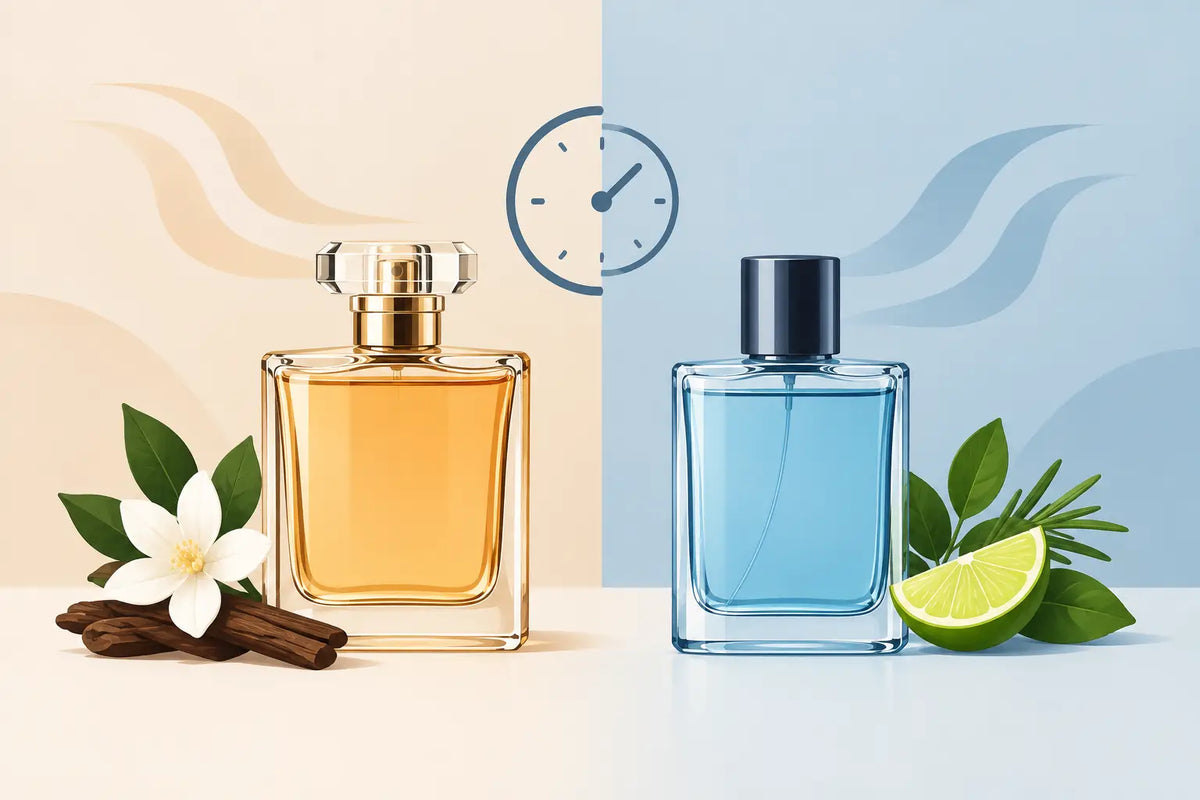
Many mainstream fragrances are designed around a light, quick opening and a clean dry-down. Middle Eastern-inspired scents often put more attention on the base: the materials that remain after the bright top notes fade. Woods, balsams, amber accords, incense, and musk create density, warmth, and impressive staying power.
This is why the first spray is only part of the experience. A perfume may open with citrus, fruit, or a sparkling spice, then become richer as it warms on the skin. Hours later, the base notes can feel smoother, sweeter, woodier, or more sensual than they did at the beginning.
Concentration matters, too. Perfume oils and eau de parfums are often favored for their fuller wear and intimate projection. Still, strength is not the only sign of quality. The most captivating scents balance presence with texture, so the fragrance feels elegant rather than overwhelming.
The Signature Ingredients Behind Arabian Luxury
Oud: Dark Wood With a Legendary Presence
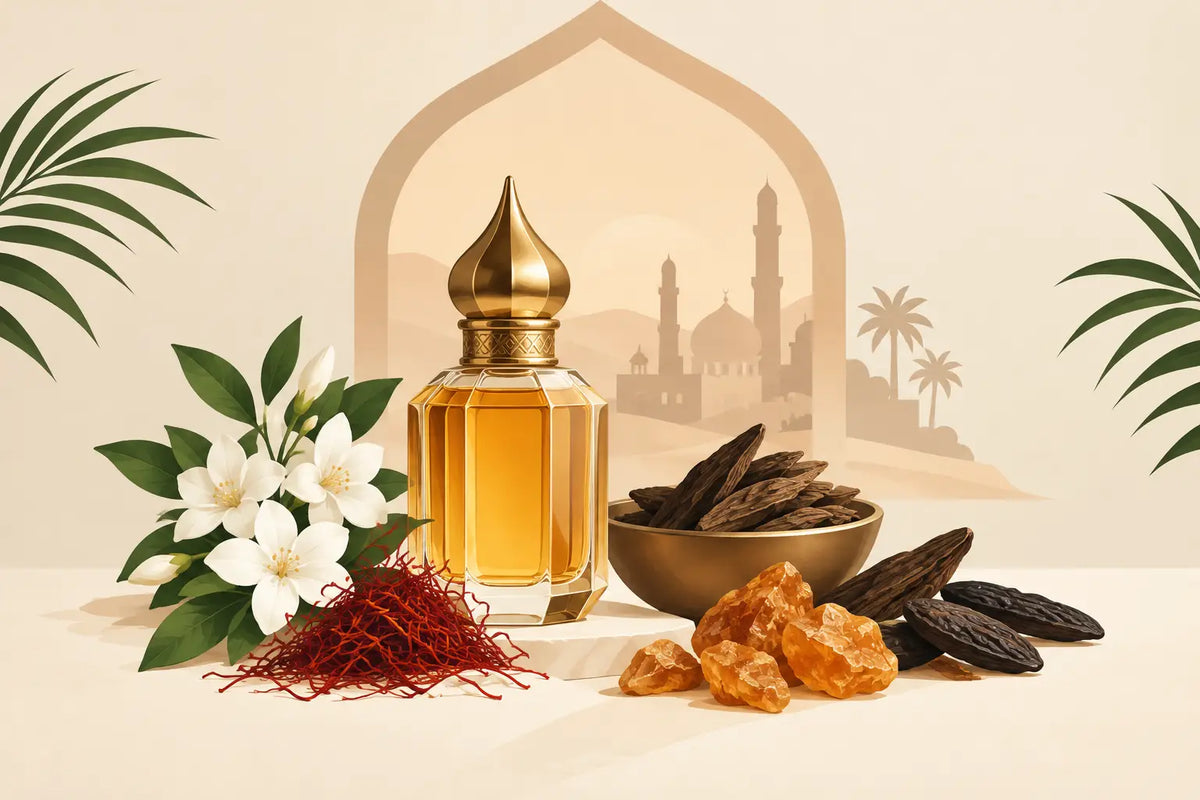
Oud is the ingredient many people associate first with Arabian perfumery. It comes from agarwood, a rare resinous wood with an aroma that can be smoky, leathery, earthy, sweet, or softly medicinal depending on its style and origin. Real oud is highly prized, and its natural variations are part of its appeal.
In a finished fragrance, oud may be bold and dramatic or smooth and modern. Paired with rose, it becomes romantic and regal. Combined with vanilla or amber, it feels warmer and more approachable. Blended with citrus or lavender, oud can become an unexpectedly polished choice for daytime.
If you are new to oud, do not assume every oud fragrance will smell intensely smoky. Many contemporary oud compositions are blended to be soft, sweet, creamy, or clean while keeping that unmistakable depth underneath.
Amber: The Golden Glow of a Long-Lasting Scent
In perfume, amber usually refers to an accord rather than a single raw material. It is commonly built from resinous, balsamic, sweet, and woody notes that create a warm golden effect. Think of amber as the glow beneath the fragrance: plush, sensual, and comforting.
Amber is often paired with vanilla, tonka, labdanum, benzoin, sandalwood, or musk. It gives a scent a smooth, almost luminous richness that works beautifully for evenings, cooler weather, special occasions, and anyone who wants a fragrance that feels expensive without becoming too formal.
An amber-forward perfume can also be surprisingly versatile. A touch of bergamot, pear, rose, or white floral notes can lift its warmth and make it suitable for a dinner date, an office setting, or a dressed-up weekend outing.
Rose: Fresh Petals, Velvet Depth
Rose is not simply a floral note in Middle Eastern perfumery. It is often given a central, luxurious role. Depending on the blend, it can smell dewy and bright, jammy and sweet, spicy, powdery, or deep enough to stand beside oud and incense.
The classic rose-and-oud pairing remains beloved for good reason. Rose brings radiance and softness to oud’s darkness, while oud gives rose a dramatic, velvety base. The contrast creates a scent that feels both timeless and modern, feminine and powerful, romantic and confident.
Those who usually avoid floral perfume may still love a rose fragrance with saffron, amber, leather, or woods. These ingredients keep the petals from feeling delicate or overly traditional.
Musk: The Skin-Like Finish
Musk gives many fragrances their smooth, lingering finish. Modern perfumery generally uses safe synthetic musk materials rather than natural animal musk, creating effects that can be clean, powdery, creamy, warm, or softly sensual.
A white musk scent can feel fresh and polished, ideal for everyday wear. A warmer musk blended with amber, vanilla, or woods can feel more intimate and seductive. Musk also helps connect a composition, giving bright florals and spices a softer landing on the skin.
For a close-to-the-skin signature scent, look for musk in the base notes. It may not always announce itself in the opening, but it is often what makes a perfume feel addictive hours later.
Saffron, Cardamom, and Other Precious Spices
Spice is where many Arabian-style fragrances gain their spark. Saffron is especially recognizable: dry, leathery, slightly sweet, and luxurious. It can make amber feel more radiant, add a refined edge to rose, or give woods a polished warmth.
Cardamom brings a fresh, aromatic sweetness that works beautifully in men’s, women’s, and unisex compositions. Cinnamon, clove, nutmeg, and pepper can add richness, but the best blends use them with restraint. Too much spice can feel heavy in warm weather; the right amount gives a perfume a sophisticated pulse.
Frankincense, Myrrh, and Resinous Depth
Frankincense and myrrh bring a ceremonial, smoky warmth to fragrance. Frankincense can feel airy, peppery, lemony, or mineral-like before it settles into a gentle resinous smoke. Myrrh is often darker, sweeter, and more balsamic.
These notes create a sense of atmosphere. They are especially striking with oud, sandalwood, amber, and rose, adding a quiet mystery without needing a loud projection. For evening wear or cooler months, resinous perfumes offer a distinguished alternative to standard sweet gourmands.
Natural Ingredients, Modern Accords, and What You Are Smelling
A beautiful perfume does not need to be made only from natural materials. In fact, many ingredients people recognize by name, including amber, leather, and certain musk effects, are fragrance accords constructed from multiple materials. Modern perfumery uses natural extracts alongside aroma molecules to improve consistency, safety, longevity, and creative range.
This matters because no two interpretations of oud, amber, or rose will smell exactly alike. One amber perfume may be vanilla-rich and soft. Another may be dry, resinous, and smoky. One oud may feel like dark polished wood, while another has a sweeter, almost dessert-like profile.
Instead of shopping by a single note alone, consider the company it keeps. Oud with rose and saffron feels opulent. Oud with citrus and musk feels cleaner. Amber with vanilla feels cozy and sensual, while amber with incense feels darker and more ceremonial.
How to Choose Your Signature Scent
Start with the mood you want to create. If you want a scent that commands attention at night, try oud, amber, saffron, vanilla, or incense. For a softer but still distinctive everyday fragrance, choose white musk, rose, sandalwood, cardamom, or a fresh citrus opening over warm woods.
Skin chemistry and climate can change the experience. In a hot Los Angeles afternoon or a humid summer city, a dense amber-oud fragrance may project more strongly than expected. Use fewer sprays, apply to pulse points, and let the scent develop before adding more. In colder weather, richer formulas often feel smoother and more inviting.
For gifting, rose-amber blends and vanilla-musk scents are often approachable choices because they combine warmth with softness. For someone who already enjoys niche fragrance, an oud, incense, or saffron composition can make a more dramatic and memorable statement.
At Dubai Perfume LA, the appeal of Arabian luxury is not about wearing the loudest fragrance in the room. It is about choosing a scent with depth, confidence, and a finish that feels unmistakably yours. Let the notes settle, notice what remains on your skin, and choose the ingredients that make you feel most unforgettable.